

Welcome to The Asia Fulcrum, where I report and analyse culture news and debates related to Asia and its diaspora.
UPDATE on August 26, 2026: “Taiwan Pavilion” is reinstated at the Gwangju Biennale, according to Taiwan’s Ministry of Culture and and the Biennale.
However, this has not changed the fact that Taiwan has been marginalised on the global culture stage over the past two decades. While the liberal Western art world has been vocal about global injustices, few have spoken up for Taiwan.
Here’s my original analysis published on August 17, 2026.
The Disappearance of “Taiwan Pavilion”
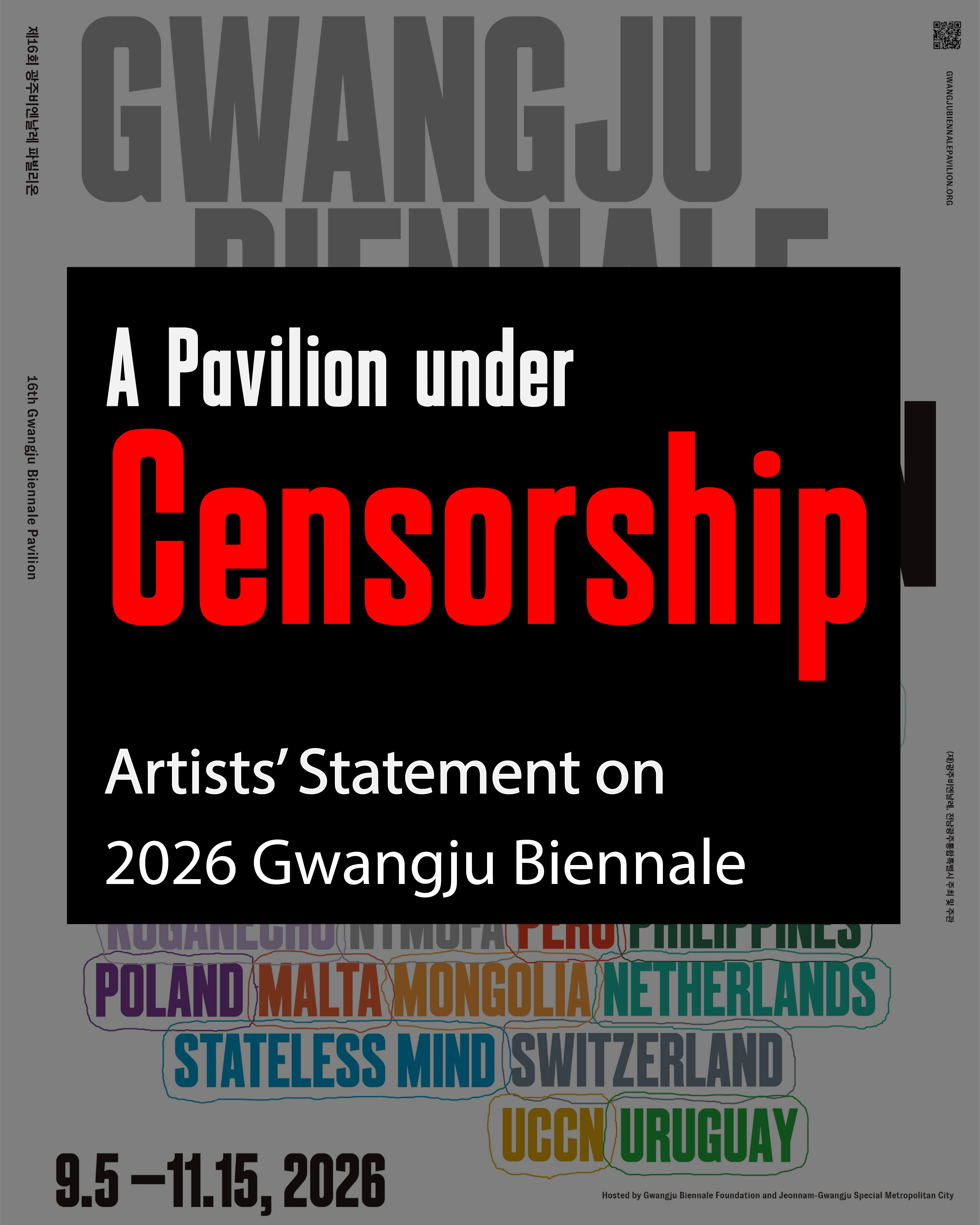
The latest publicity materials of the upcoming Gwangju Biennale, due to open in South Korea on September 4, have stirred anger and frustration among members of the Taiwanese artistic community over the weekend. They learnt that “Taiwan Pavilion” has disappeared from the event’s promotional key art on social media. Instead of having a pavilion named after the self-governed island, it became “NTMoFA Pavilion”—the name stands for National Taiwan Museum of Fine Arts, organisers of the pavilion.
The Taiwan exhibition’s team of 10, including curator and artists, accused the Gwangju Biennale of “political censorship” as it “brutally erased Taiwan” from the promotional poster, alleging that the organisers have never explained to the team why Taiwan Pavilion—the name under which NTMoFA submitted the exhibition proposal and was accepted by the Gwangju Biennale Foundation—was removed without the consent from the participating team.
“Throughout this incident, the Gwangju Biennale Foundation disregarded repeated objections and attempts at negotiation by the National Taiwan Museum of Fine Arts,” the participating team said in a statement. They demanded the organisers to “explain why participants' right to name and identify themselves must be subjected to political restrictions.”
“This goes beyond the removal of a name,” the exhibition team said. “It is a threat to freedom of expression and to the global artistic community.”
